


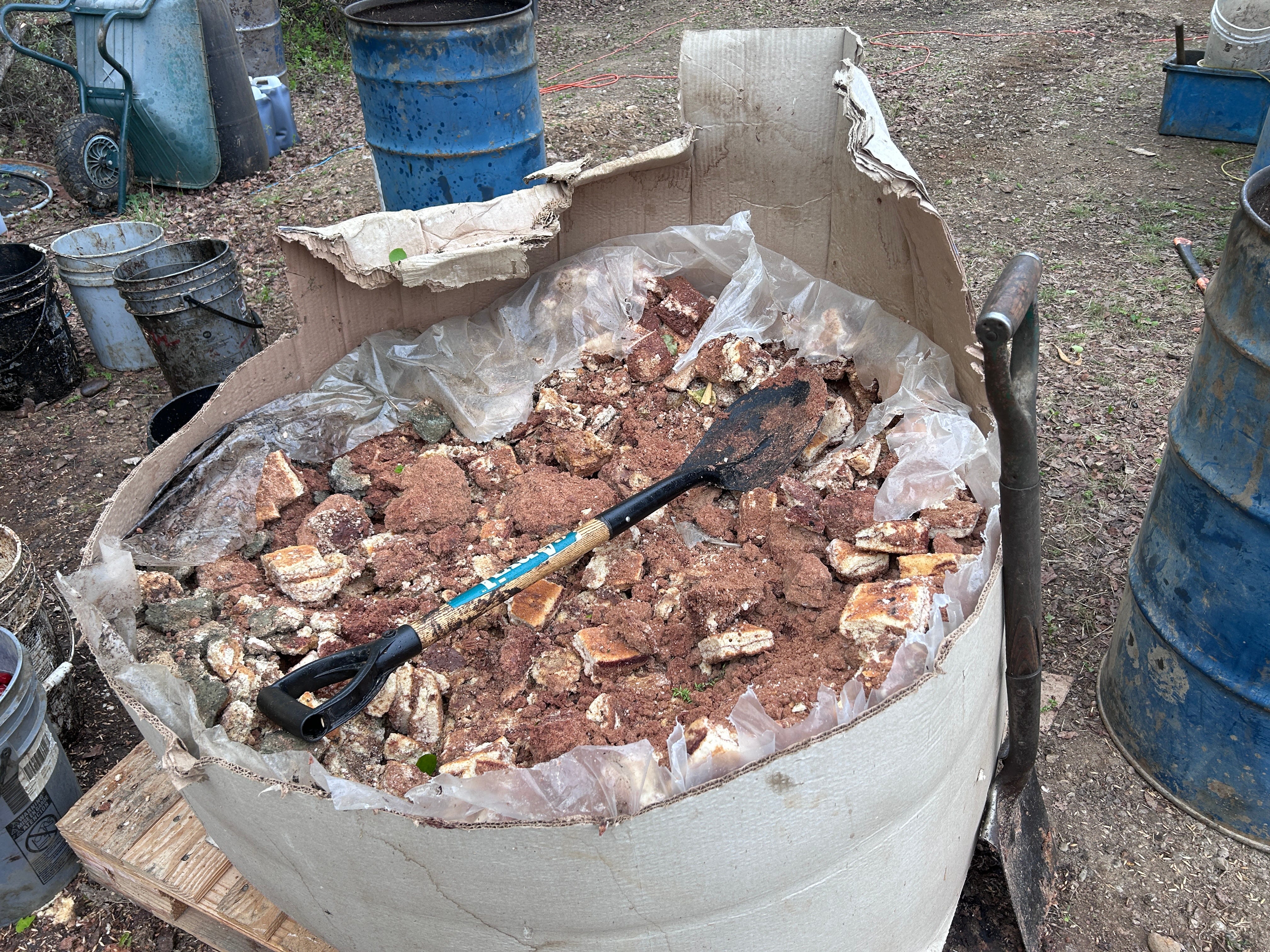
A five-gallon bucket of rotting beaver meat, a cement mixer full of oats, used cooking oil, stale pastries, and, of all things, red Twizzlers.
That is the recipe for bringing a seven-foot black bear within fifty yards of an elevated tree stand in Northern Alberta. It is nasty, sticky, smelly business. It is also the reality of predator management in the deep woods—a world miles away from the sanitized, plastic-wrapped existence of modern suburbia.
My friend Suzi Huntington, wife of my regular podcast co-host Roy Huntington, recently went north to sample this reality and joined me on the podcast (Link: @FMGPUBS) She didn’t go with a custom, high-dollar rig or a camera crew trailing her every move. She went with a Ruger American chambered in plain-jane .308, a Meopta scope, a mosquito net, and some flannel-lined jeans. Two hours into her first afternoon in the stand, she was tagged out on two massive bears—a beautiful cinnamon phase and a heavy-bodied black bear that made the other woods-critters clear the area like cartoon characters dodging a dynamite blast.
It was a clean, text-book, highly successful conservation hunt.
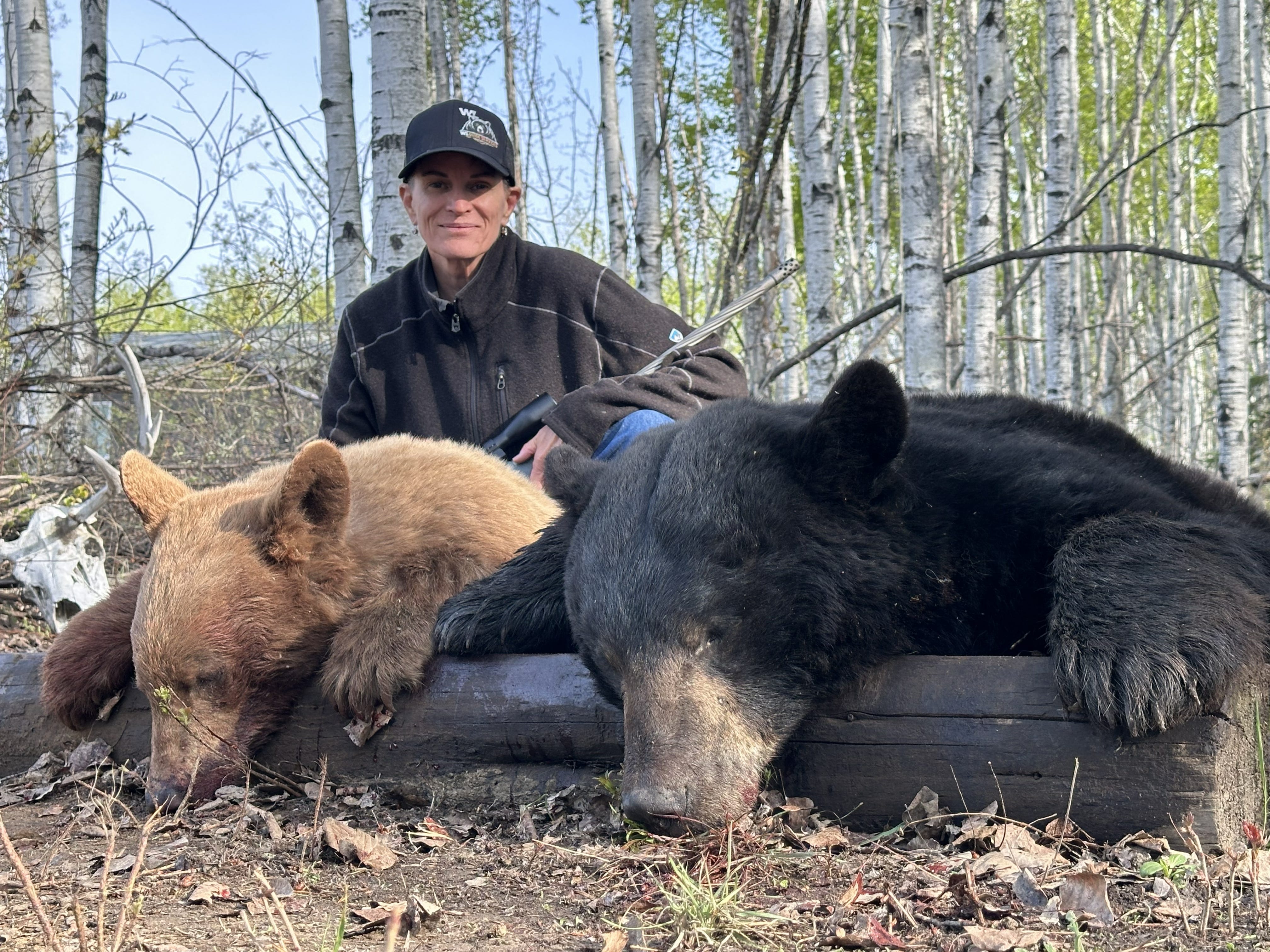
Then she came home, posted a couple of pictures on her personal Facebook page, and the modern digital outrage machine fired up its engines.
People Suzi grew up with—folks who haven’t seen a predator outside of a nature documentary or a city zoo—felt the burning, sanctimonious need to leave nasty comments. They didn’t stop there. They tracked down the family-run guide service’s business page to leave venomous reviews. They screamed about cruelty, they wept for the poor beasts, and they demanded to know if she was going to eat the meat.
Let’s address the last part first, because it’s where the ignorant always try to claim the moral high ground. The “eat what you kill” rule is a fine baseline for a whitetail hunter in Indiana, but nature doesn’t care about our simple rules. Susie asked the guides—men who have lived in those woods for decades—if they were going to cook up some bear steaks. The answer was a flat, disgusted NO!
These were spring bears, freshly emerged from hibernation. They had spent months living off their own fat reserves. Their meat is greasy, unpalatable and stringy. On top of that, spring black bears are notorious carriers of trichinosis. To make the meat even remotely safe, you have to cook it into dry, leathery oblivion. As the guides put it, “Even the coyotes won’t eat it.”
Yet, the keyboard warriors wanted a lecture on culinary ethics. They wanted to impose their suburban, Disney-fied morality onto a rugged, northern landscape that operates on biology, not feelings.
What these critics fail to realize—or simply choose to ignore—is that hunters are the ones writing the checks for conservation. The money spent on licenses, guides, gear, and travel feeds the local economies and directly funds the fish and game agencies that keep these wildlife populations healthy. Your weekend bird-watching trip doesn’t pay to protect the habitat; the hunter’s check does.
But the online mob doesn’t want a conversation. They want to perform moral superiority for their own peer group.
I’m tired of the entitlement of the ignorant. If you don’t like hunting, don’t do it. Keep scrolling. But don’t pretend you understand the delicate balance of game management from the safety of your air-conditioned living room while typing on a smartphone made with minerals mined by children on the other side of the world.
There’s another lesson here, and it has nothing to do with bears or bait piles. Suzi’s trip was a bucket-list adventure. It took time, coordination and hard-earned cash. A lot of people stare at those trips online for years, whispering to themselves, “Maybe next year, when the car is paid off, when I have more time, when things are perfect.”
I went to a funeral last week for one of my best fishing buddies. It was a stark, cold reminder that the clock is ticking for all of us. “Next year” is a luxury none of us are promised. If you have a dream—whether it’s hunting bears in Alberta, chasing plains game in Namibia, or just taking that cross-country road trip—stop waiting. Cut out the extra Starbucks runs, put the money aside, and make the plan.
Do it before you run out of road. And when you do have your adventure, don’t worry about what the keyboard warriors have to say about it. They’ll still be sitting on the couch, complaining about the world, while you’re out there actually living in it.