


We shooters are an obsessive bunch. We will sit on the internet and spend three solid weeks arguing about the ballistic coefficient of a 6.5 Creedmoor bullet, or spend a small fortune on carbon-fiber tripods and custom bipods.
Then, we head out to a match, a prairie dog town, or a rural range, spend four hours laying belly-down in the grass to break a clean shot, and willingly serve ourselves up as a stationary, all-you-can-eat buffet for the local tick and chigger population.
It makes no sense. We obsess over “time on target” but completely ignore the fact that it is physically impossible to read the wind or pull off a crisp trigger press when a giant, blood-sucking mosquito is actively drilling into the side of your neck.
For years, rifle culture has been moving off concrete benches and into the field. Whether you’re shooting NRL Hunter, practicing field positions, or just stretching the legs on a precision rig, you are spending time on the ground. And let me tell you, the local insect population appreciates a prone shooter. You aren’t moving, you aren’t swatting—you are just a giant lump of warm blood.
That’s why my absolute favorite, unglamorous piece of summer range gear has zero M-LOK slots, no tactical laser-engravings, and costs about fifteen bucks a bottle.
I’m talking about Permethrin.
If you aren’t using this stuff yet, you are volunteering for a special kind of misery. Unlike DEET, which you slather all over your skin until you smell like a chemical plant and melt the plastic on your safety glasses, Permethrin is a chemical weapon designed strictly for your clothing and gear.
You spray your pants, socks, boots, and shooting mats until they’re damp, let them dry completely, and the microscopic molecules bond directly to the fabric. Once it’s dry, you can’t see it or smell it. But to a bug? It’s Death Row.
I became an absolute apostle for the stuff while hiking through Southern Indiana’s Hoosier National Forest—a place I affectionately refer to as “The National Tick Refuge.” More than once, I’ve looked down to see dozens of deer ticks scaling my boots. But the second they hit the treated fabric, they suddenly lose all enthusiasm for the project. They get a foothold, start climbing, and then dramatically swoon off my pants legs like they just realized they made a catastrophic life choice.
And don’t even get me started on chiggers. Those little demons operate on a delayed-action misery schedule. You leave the range thinking you got away clean, only to wake up 24 hours later discovering your waistline and sock tops have been turned into a science experiment in itching. Treated socks stop them dead before they ever get established.
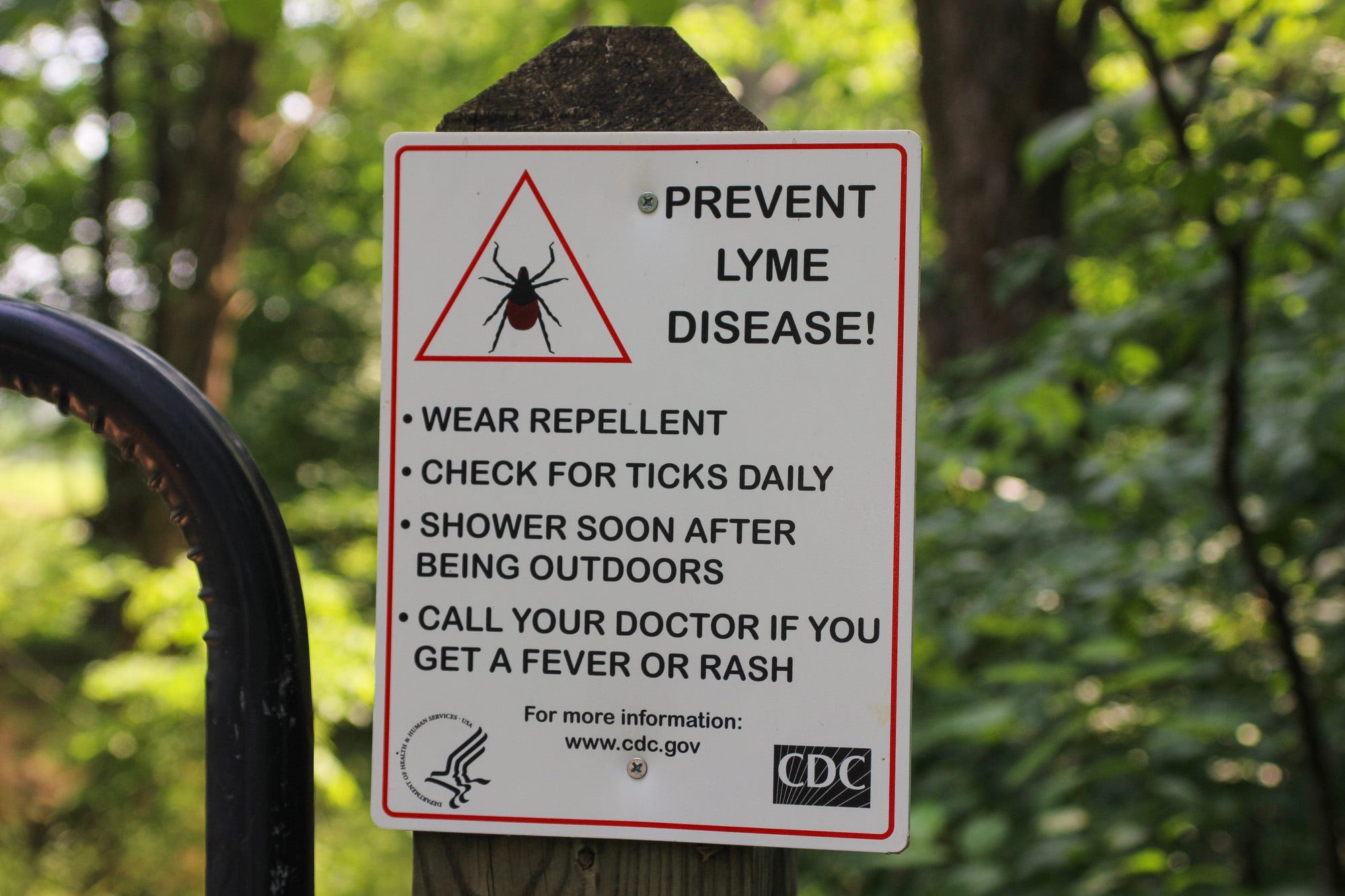
With tick populations booming across the country, it’s not just about the itch anymore. Between Lyme disease and that bizarre Alpha-gal “red meat allergy” syndrome—where a single Lone Star tick bite can literally turn a cheeseburger into a life-threatening medical emergency—protecting yourself on the ground isn’t optional.
I just finished up a brutal, wet turkey season down here. Two weeks of crawling through damp woods and sitting against trees in prime bug weather. The final score? Nimrod: 1, Ticks: 0. (We won’t discuss the turkey’s score).
I wrote a full breakdown over at GUNS Magazine on exactly how to apply it, the gear you should be treating right now (hint: do your shooting mat), and a couple of safety rules you need to know—especially if you have barn cats running around, because wet permethrin and felines do not mix.
Head over to Gunsmagazine.com to read the full article and get your summer gear sorted.
How about you? Are you already a member of the Permethrin fan club, or are you still out there donating blood to science every time you shoot prone? Let me know in the comments.