


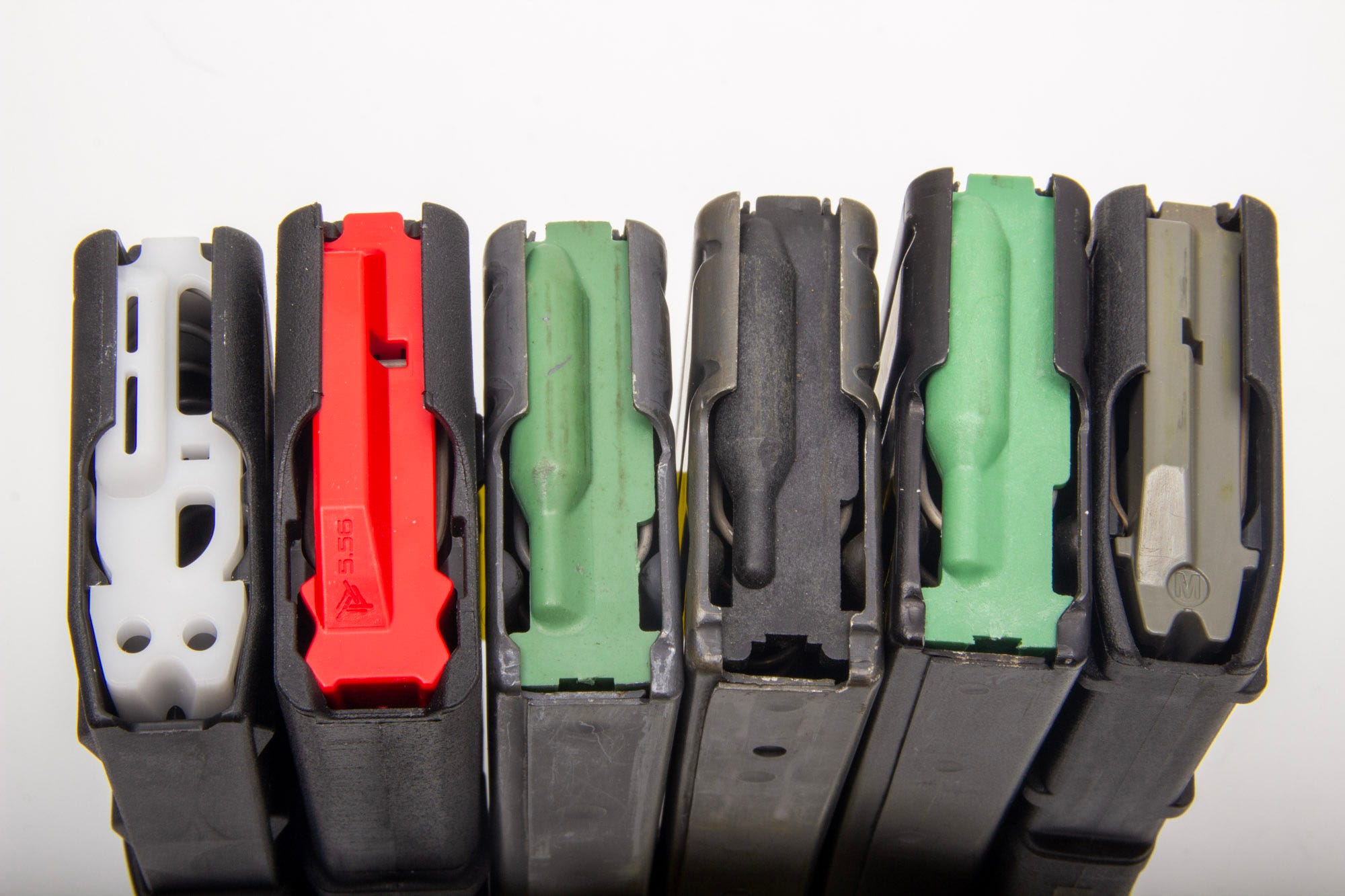
If you own an AR-15, there’s a good chance you’ve spent far more time thinking about barrels, triggers, optics, and ammunition than you have about the one component most likely to cause a malfunction: the magazine.
In my latest piece for GUNS Magazine — Everything You Wanted to Know About AR-15 Magazines — I take a deep dive into what is arguably the rifle’s most overlooked critical part.
The reality is simple: in any semi-automatic firearm, the magazine is often the weakest link. Understanding how it works — and how it fails — can solve a surprising percentage of reliability problems before they ever show up on the range. (GUNS Magazine)
A System, Not Just a Rifle
The AR platform traces back to Eugene Stoner’s late-1950s vision of a complete weapon system, including a lightweight aluminum detachable magazine — a radical departure from the steel designs common at the time. Even today, most AR magazines still follow the geometry established in that original blueprint. (GUNS Magazine)
One fascinating footnote: early aluminum magazines were envisioned as disposable during combat, but the military quickly abandoned the idea once they realized throwing away precision-engineered metal wasn’t exactly economical. (GUNS Magazine)
Why the Curve Matters
Ever wonder why 30-round magazines have that distinctive “banana” shape? It’s not styling — it’s physics. The tapered 5.56 cartridge naturally stacks in an arc, and forcing those rounds into a straight body invites feeding problems. (GUNS Magazine)
Modern Reliability Breakthroughs
For decades, follower tilt was a major source of jams. The widespread adoption of anti-tilt followers in the late 2000s dramatically improved reliability and helped the platform mature into what we expect today. (GUNS Magazine)
Material debates continue, but polymer magazines — popularized by designs like the PMAG — proved highly resistant to dents and crushing, prompting widespread military adoption alongside traditional aluminum models. (GUNS Magazine)
Hard Truths Most Shooters Ignore
Feed lips are both the most critical and most fragile part of the magazine; once they deform, the magazine is essentially living on borrowed time.
And contrary to popular belief, magazines usually don’t wear out from being stored loaded. Damage typically comes from impact, misuse, or bodies drifting out of spec — not spring fatigue.
Perhaps the most important mindset shift is this: magazines are consumable equipment. If one repeatedly fails, mark it for training or destroy it — but don’t trust it.
There Is No “Best” Magazine
Despite endless forum debates, the truth is more practical: there’s no universal best magazine, only the best one for a specific role. Duty use demands proven reliability and durability, while range shooters may prioritize affordability and volume.
The bottom line? The magazine may be the least glamorous part of the AR ecosystem — but when things go wrong, it quickly becomes the most important.
If you rely on an AR for defense, training, or serious range time, this is foundational knowledge worth revisiting.
👉 Read the full article here: Everything You Wanted to Know About AR-15 Magazines